 0800 0185 882


24 October 2019
How to use it with customers and prospects – a case study.
It would appear common sense that the more options you give to your customer to speak to you the better, right? Longer opening hours, dedicated social media customer channels, 24 Hour phone, instant email response and Live Chat for the virtually conversational.
Well most of this of course is a necessity for big brands. But where does live chat fit in for those who haven’t ventured into it yet, or aren’t sure if their current chat is working?
So let’s look at it from the position of a small or medium sized organisation that doesn’t have deep pockets.
What is live chat?
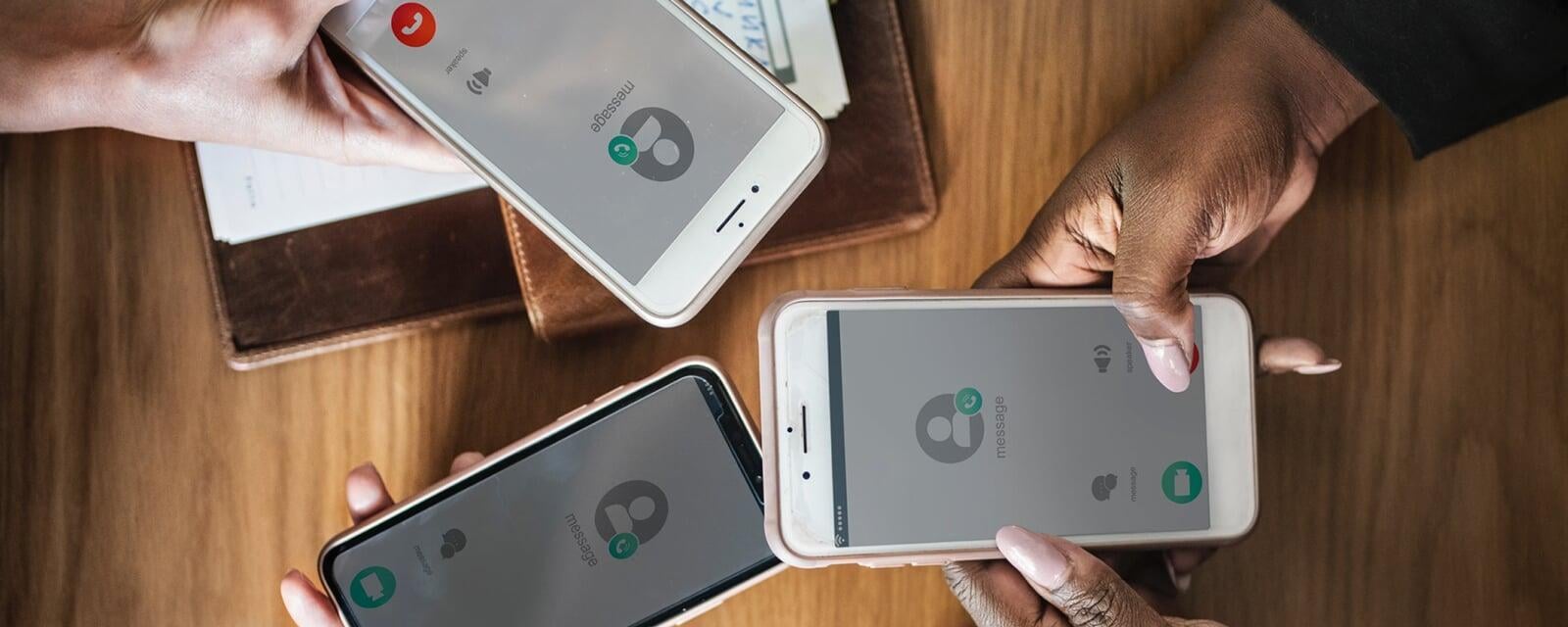
Live chat allows your customers to quickly communicate with your web visitors using instant messaging. The instant messaging part of the software works in the same way as a normal messaging application like WhatsApp?, however the website visitor doesn’t need any special software installed. The chat simply appears on screen, alongside the current window, and the website visitor can chat with an operator by typing into the live chat box. It’s pretty much real time. It works on a pc or phone.
How is it applied?
The software is implemented on your website by specialist provider, its basically a ‘plug in’. It’s generally relatively inexpensive and unobtrusive, though of course you need to train your staff up to deal with it.
There are several providers; of course, I am going to talk you through an example of our application of it, using the supplier click 4 assistance. We just took the software and trained our own team. Other examples being companies who can offer the chat staff as well as the software such as: Rapid Live Chat.
I’ve read several blogs on this topic, looking at experiences of organisations typically much larger and more in need of varied solutions to help their big, active customer bases. Most advice tends to go along the predictable but best heeded lines of ‘doing it badly is worse than not doing it.’ And it’s hard to disagree.
That’s principally because the promise of ‘live’ instantly raises the customer’s expectations. Most people will accept that an email to a company is a relatively passive form of communication, but a ‘chat now’ offers an instant answer to our problems. So to be greeted with slow response times and text book robotic answers can be doubly annoying.

There are some great implementation tips here “The practical guide to live chat implementation” advice that is well worth heeding.
I am going to move away from the routine, best practice, ‘tick box’ blog fare and share with you our experience of chat, positive and negative.
Live chat – for counselling
My organisation, Tavistock Relationships, offers a complex service – bespoke help for people with relationship and mental health concerns. It’s the kind of offer that people approach with trepidation for a number of reasons to do with the concerns many have about talking about personal problems with a third party.
We set up live chat to act as a kind of ‘bridge’ for those anxious about what a counselling session consisted of, to reassure them and ‘convert’ them to book a paid appointment to come to see us. The goal therefore was to engage further, in order to explain the service and generate bookings, not to give free advice ‘on air’.
It works best in our experience when there were simple answers to questions that weren’t as easily explained in ‘flat’ copy on the website.
Our observations; however were that we were fielding two extremes. Firstly we had a small amount of highly interested customers who wanted instant advice about our services due to a personal problem that was worrying them at that point. Often that involved seeking professional counselling advice there and then, which was not our model for a variety of reasons for both parties. Although the number of these enquiries was small and we developed signposting and links to our own services and others, as well as limiting our chat time to 15 minutes, we observed that our ‘conversion rate’ was not high.
At the other end of the scale we received a large volume of very routine service enquiries. After sifting through a few weeks of this dates, it became clear that, though virtually all the answers to the questions where in various different places on the website, they were so common and important to enquiries that they needed to be more visible. This lead to some fascinating insights into the state of mind of our customers.
Unless you are running a public service or similar, of course all analysis of Live Chat or any product feature must look at the cost/benefit. We had a lowish level of conversion, although the technology costs were relatively light, the staff overheads weren’t. Overall usage compared to other customer channels was low. In this case the decision was to focus chat when it was most needed, using a simple analysis of web traffic and previous chat times. That allowed us to focus on high traffic times only. ‘Turning off’ chat services is simple and most services offer an interactive switch button. Of course best practice us to also have another contact alternative on the site clearly signposted near chat.

The most critical thing chat allowed us to do was to produce a relevant and more prominent FAQ page, based on what customers wanted to know on the site. This of course improves the website and UX, free content, direct from the customer, answering their questions.
A deeper benefit was the rich, interactions we had with potential clients. In this case it was quite surprising to find, that even for an intimate offer like ours (counselling), when offered the chance for a more expansive conversation, most people were still trying to clarify relatively ‘mundane’ detail. We learned that if you are clear and detailed about your offer you can save your customers and your organisation time and create goodwill.
Initially there was a fear of being overrun with enquiries, but actually we found that if chat is not VERY prominent on the site, it’s like any other web feature, it won’t get used.
Chat has now become our ‘gateway tools’, it’s an extra bullet point in our offer. I think its key to point out that we offer is not a service where crisis is of the same commercial nature, e.g. a web hosting company who helps customers whose sites crash.
In our experience, with low traffic and a customer base with diverse demands, a well maintained ‘ask via email’ service was the most effective method for the lower peak times.
So chat away! Remember most ‘sales chat’ isn’t getting you new customers on the database, so consider sending them to places where they can interact with you and give their details.
Do consumers appreciate live chat on websites?
6 reasons to consider adding live chat support to your business…
My Live Chat Rules
Here you can find some more tips:
– Have a wide range of opening times
– Don’t overburden your customer services team
– Set the rules – what is it for – are the crib sheets ready? Are there time limits on chats? Are there clear data links they can send to customers?
– Get the right tech
– Advertise it visibly
– Examine the reports – what are your customer telling you to change
– Act on it!
Author: John Fenna Head of Marketing, Communications & Digital at Tavistock Relationships
Disclaimer: Please note that this blog only contains general information and insights about legal matters. The information is not advice, and should not be treated as such. Kompass.com


 0800 0185 882
Comentarios
No Comments